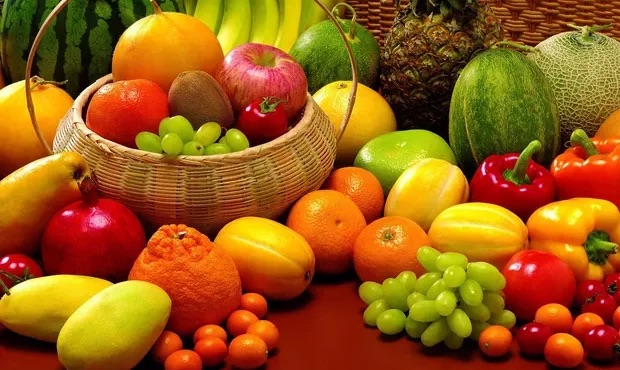
What foods are commonly related to digestive discomfort?
What is the relationship between nutrition and the intestine? Food has a direct impact on digestion and can contribute to overall well-being[1]. In principle, you can eat everything, but some foods and beverages that are considered more difficult to digest or irritating should be consumed in moderation, according to individual tolerance[2]. On the other hand, other foods can contribute to a more balanced digestive system. Restrictions should not be considered a disadvantage: with some practical tips and a more conscious selection of foods, you can contribute to daily comfort and lead a more peaceful and active life.
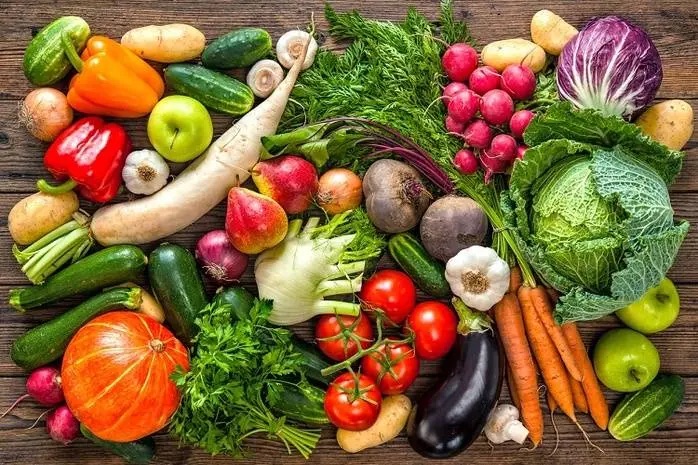
Illustration of a balanced combination of foods related to intestinal comfort.
Observe which foods positively affect digestion and which are more frequently associated with discomfort.
Remember that tolerance is individual: the same food can be perceived differently by different people.
Sustainable small changes in nutrition usually have greater impacts than sudden and strict restrictions.
It's helpful to keep a food and symptom diary
Each organism reacts differently to certain foods and beverages, so it's very helpful to keep a food and symptom diary for some time[2]. In it, you record what you've eaten and drunk and when, as well as how you felt afterward. Don't forget to also note medications and dietary supplements, as these can also influence your overall condition. This way you can track which foods or beverages are tolerated better or worse individually[2]. Therefore, it's not necessary to completely exclude all potentially irritating foods, but rather to consume them according to the situation in moderation or adjust them. Each organism reacts differently, and what causes discomfort in one person may be of much less importance in another.
A food diary can also help you better understand your own habits. Those who know what and to what extent they tolerate can more easily avoid stress factors and make daily life more peaceful and active.
Foods to support intestinal comfort
Sour milk and dairy products
Some people integrate sour milk or other dairy products as part of their regular diet when it comes to general digestive comfort[3].
Blueberries
Blueberries are frequently used in various recipes and are mentioned as part of foods that are discussed in relation to digestion and discomforts such as hemorrhoids[4].
Pumpkin products
Various pumpkin products are present in many traditional cuisines and are frequently mentioned in dietary recommendations for a more peaceful digestion[5].
Fiber-rich foods
A varied diet with fruits, vegetables, and whole grain products is often associated with a lighter feeling in daily life and is also discussed in relation to hemorrhoids[6][7].
Reference: Dietary fiber benefits | Hemorrhoids and dietary management
Foods that may be associated with greater digestive discomfort
Some foods and beverages are considered more irritating or more difficult to digest[8]. For sensitive intestines, it's important that they be consumed less frequently and in moderate amounts, according to individual tolerance[9].
References:
[8] National Center for Biotechnology Information - Food intolerance and digestive symptoms
🥔 Potassium-rich foods
Asparagus, bananas, or potatoes can contribute to mineral balance and have a positive effect on various metabolic processes[16].
🌶️ Spicy and acidic foods
Peppers, hot chilies, ginger, oranges, lemons, or tomatoes are often considered irritating for a more sensitive digestive system[10].
🥕 Root vegetables
Carrots, celery, parsnips, or parsley contain valuable nutrients, but can cause bloating in more sensitive people[11].
🫘 Foods that cause gas and bloating
Cabbage or legumes are beneficial, but can cause discomfort in sensitive intestines such as an excessive feeling of heaviness and bloating[12].
Suitable beverages for good digestion
For intestinal health, it's important that the body receives sufficient fluids[13]. Only then can metabolism stay in balance and digestion function optimally[14]. Insufficient fluid intake can negatively affect overall well-being[13].
References:
[13] National Center for Biotechnology Information - Water intake and digestive health
[14] Mayo Clinic - Water: How much should you drink every day?
Examples of fluid intake
The importance of adequate fluid intake throughout the day for overall well-being is often emphasized.
The best way to meet fluid needs is with water or unsweetened tea (for example, rooibos or unsweetened herbal tea).
⚠️ Pay attention to these beverages:
- • Coffee, black tea, green tea
- • Very strong or very spicy tea
- • Drinks with a lot of sugar or highly carbonated beverages
- • Alcohol
Schedule your consultation
Our editorial team in Malaysia is delighted to receive your opinions and questions. Do you have recommendations or inquiries about the advice presented? Use the form below and share your thoughts. We strive to respond as soon as possible. For general matters, you can also contact us by phone Monday through Friday at +60 3-9335 1583.
SUMMARY
Knowing which foods are sometimes associated with digestive discomfort can contribute to a more conscious selection and a more peaceful daily life[15].
Summary of foods with potential irritating effect
🥗 Vegetables
- • Tomatoes
- • Cucumbers
- • Asparagus
- • Carrots
- • Parsnips
- • Cabbage
- • Red cabbage
- • Celery
- • Broccoli
- • Pumpkin
- • Turnip
- • Onions
- • Potatoes
🍎 Fruits and spices
Fruits:
- • Watermelon
- • Sweet cherries
- • Grapefruit
- • Lemon
- • Orange
- • Banana
- • Pineapple
Spices/Herbs:
- • Hot chili
- • Ginger
- • Black pepper
- • Parsley
- • Wasabi
- • Some types of curry
- • Vinegar
🌾 Grains and beverages
Grains:
- • Rice
- • Wheat products
Beverages:
- • Coffee
- • Green tea
- • Black tea
- • Herbal tea with nettle or birch
- • Mate or non-alcoholic beverages based on mate
- • Alcohol
- • Drinks with sugar or sweeteners
- • Carbonated beverages
Scientific References
All health claims on this page are supported by peer-reviewed scientific research. Click on any reference to view the original study.
General Nutrition & Digestive Health:
[1] National Center for Biotechnology Information - Diet and the gut microbiome
[2] NCBI - Food diary and symptom tracking
[8] NCBI - Food intolerance and digestive symptoms
[9] Mayo Clinic - Low FODMAP diet for sensitive digestion
[13] NCBI - Water intake and digestive health
[14] Mayo Clinic - Water: How much should you drink every day?
Specific Foods & Nutrients:
[3] NCBI - Probiotics and digestive health
[4] NCBI - Dietary fiber and digestive health
[5] NCBI - High-fiber foods and digestive function
[6] NCBI - Dietary fiber benefits
[7] NCBI - Hemorrhoids and dietary management
[10] NCBI - Spicy foods and digestive sensitivity
[11] NCBI - FODMAPs and digestive symptoms